
044: Embracing Direct-to-Consumer Strategies to Boost Your Music Career in 2025

Peace and Light, another Tuesday and we’re posted up sharing information and hustle hacks here on the Hot Corner of the internet.
Second week of the year and my phone has been ringing off about music marketing conversations and the general overall landscape of the business, branding and marketing. It’s that time of year so I’m not surprised. In fact, I’m more grateful than anything that I continue to get these types of calls — especially considering I’m operating in the media and tech spaces a lot more.
While the music industry is continues to cleanse itself, I have to point out there has been has been seismic shifts over the past decades that have tremendously democratized access to music, but it has often left independent artists grappling with minimal earnings and lack of control over their artistic outputs. If you’ve been following the ever-confusing paper trail of it all, it’s safe to conclude that if nothing else — “the establishment” is going to ESTABLISH & MONOPOLIZE!!! But I digress, because we’re here for the solutions and opportunity more than anything else.
This is where a Direct-to-Consumer (DTC) approach can shine, offering artists not only greater control over their work but also a more lucrative pathway to connect with their audiences. There is a paradigm shift where a robust pivot towards DTC strategies, helping artists harness the full potential of their work is the new way forward. Artist will either adapt and do the work or get left behind. Sounds simple to me. But then, I remember that I’m fortunate enough to have the duality of life pre-streaming era and life with it. Everyone can’t say the same.
So with that said…
The Concept of Direct-to-Consumer (DTC)
Direct-to-Consumer in the music industry means bypassing traditional distribution channels to sell music, merchandise, or tickets directly to fans. Unlike the conventional routes that involve third parties like record labels, streaming platforms, and retailers, DTC focuses on creating a direct connection between artists and their fans. This model not only enhances customer relationships but also gives artists access to customer data, improving marketing efficiency and increasing profit margins.
Benefits of DTC:
Full control over sales and marketing strategies.
Direct customer relationships and feedback.
Higher margins on sales with little to no middlemen outside of the immediate day-to-day team.
Challenges Faced by Independent Artists
Independent artists have traditionally faced significant challenges on streaming platforms such as Spotify, which include low per-stream payouts and delays in receiving earnings. The model that streaming services use often places artists in a precarious financial position, where reaching a substantial number of streams is necessary just to earn a modest income. And plus, these platforms don’t typically provide artists with customer data, crucial for building long-term relationships with their audience.
Successful DTC Models in the Music Industry
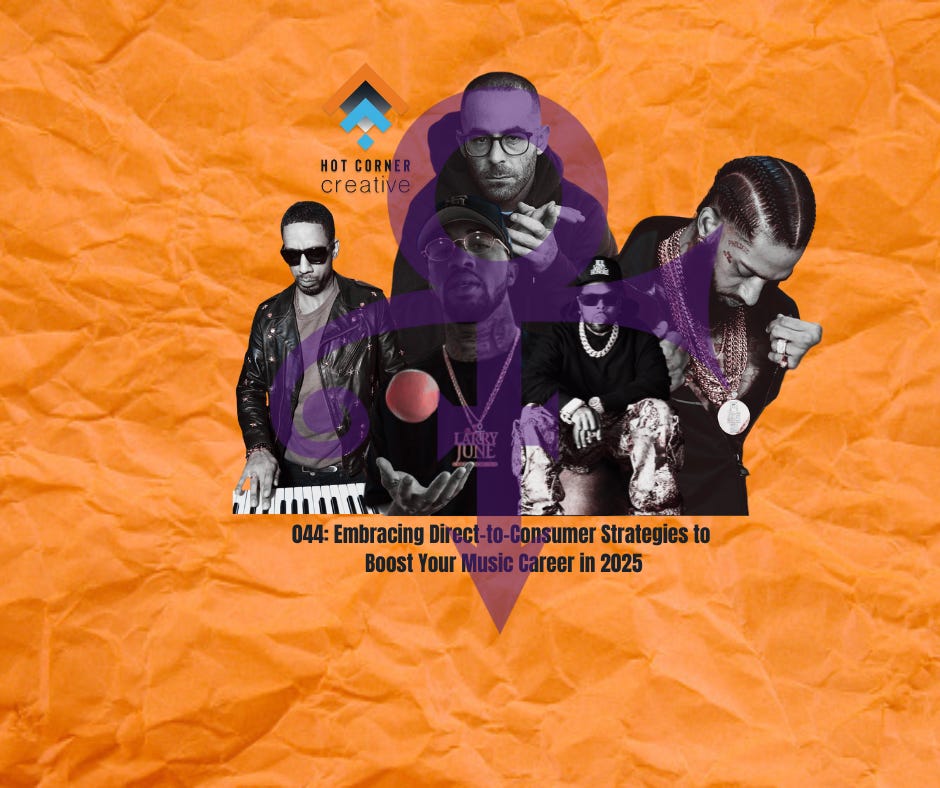
Several artists have pioneered and galvanized the DTC model with considerable success. Ryan Leslie, Westside Gunn, Nipsey Hussle, Larry June and Alchemist have all demonstrated that controlling the distribution of their music and hard goods can not only increase profitability but also deepen fan engagement that has a direct positive impact on growth and scale.
High-Level Overview Case Studies:
Ryan Leslie transitioned to selling music directly from his website, leveraging his tech expertise to build a closer community of fans. Learn More…
Westside Gunn at a time, he was breaking through the ceiling of the discovery stage as an emerging artist to watch in 2015, famously removed his music from all streaming platforms in 2015 to retain more control over his work and continued to produce hard goods and sell them hand to hand via his Instagram DM at the time. He would go on to build a world around wrestling and hip-hop and perfect his craft as a curator and tastemaker. Learn More…
Nipsey Hussle revolutionized the concept with his "Proud2Pay" campaign which offered exclusives to fans who purchased his music directly. Learn More…
Larry June amassed a niche fanbase by building a world of healthy living, financial savvy, and a hard goods brand that can stand alone but has a soundscape to go with it. Learn More…
Alchemist as a music producer has branded himself as a primary artist alongside his collaborators and dropped some pretty iconic projects. They key was build out an e-commerce platform and gather/service the consumer data with high quality art that has created a cult-like commemorative art buyer base. Learn More…
Strategies for Implementing a DTC Model
Unique Experiences: Focus on creating unique, tangible experiences that streaming cannot offer. This can include special edition merchandise or exclusive live streaming events.
Social Media Utilization: Use social media platforms not just for promotion but as a primary channel for sales and direct fan engagement.
E-commerce Integration: Develop a robust e-commerce platform on your official site for fans to purchase music, tickets, and merchandise directly.
Content Creation for DTC Success
Content is king in the DTC model. Engaging, original content helps build a community and keeps fans coming back for more.
Content ideas for independent artists:
Behind-the-scenes videos of music production.
Exclusive interviews and personal stories.
Interactive content like live Q&As or online listening parties.
Analyzing the Impact of Customer Data
Having direct access to customer data such as email addresses, phone numbers, and buying preferences can transform how you market your music. This data allows for personalized marketing campaigns and helps build stronger relationships with fans.
Final Thoughts
Adopting a Direct-to-Consumer strategy allows artists to regain control over their careers and substantially increase their earnings. As the music industry continues to evolve, DTC offers a sustainable and profitable model that can empower artists like never before. By leveraging platforms and tools that facilitate direct sales and fan engagement, artists can achieve greater independence and success in their musical journey.
Embrace these strategies, innovate continuously, and watch your independent music career flourish in 2025 and beyond.