
037: Mastering the Art of Storytelling for Engaging Content

Peace and Light,
As we gear up for the next holiday, which is also probably one of the greatest stories ever told depending on who you ask, this week’s topic should be right on time as you begin to ramp up on holiday season marketing and promotion efforts in your business.
When it comes to content creation, whether it's videos, podcasts, or written content, storytelling remains a potent tool to captivate and retain audience attention. Learning how to weave compelling narratives into your content can crucially impact its performance. This week, I’m going a little deeper than before — this time, with insights into enhancing storytelling skills. Here, I attempt to thoroughly outline six transformative techniques that promise to revolutionize the way creators produce content.
The Significance of Storytelling
Storytelling isn't just spinning tales; it's an art that drives emotional engagement and establishes connections with audiences. Ultimately, effective storytelling will increase viewer retention and engagement. Here, we will get into each storytelling technique I’d recommend and explore how each can be applied to elevate your content creation game.
1: The Dance of Context and Conflict
Definition of the Dance Concept
Great stories perform a delicate dance between providing context and introducing conflict. This balance keeps viewers engaged, always anticipating what comes next. It’s crucial for content creators to master this rhythmic pattern to maintain a gripping narrative flow.
Role of Conflicts
Conflicts introduce tension and curiosity, essential elements that create 'open loops' or psychological pegs that the brain yearns to resolve. This narrative technique ensures that the audience stays hooked, awaiting closure.
Strategic Implementation
The creators of South Park, Matt Stone, and Trey Parker, highlight an essential strategy in storytelling: the use of "therefore" and "but" between beats of a story. Replacing "and then" with these connectors enriches the narrative, making each segment consequential to the other, thus keeping the storyline stitched together and engaging.
2: Utilizing Rhythm in Storytelling
Importance of Rhythm
Rhythm in speech or narrative flow plays a critical role in how soothing or engaging the content feels to the audience. A rhythmic delivery can significantly enhance the listener's or viewer’s experience, making the content more digestible and enjoyable.
Tactical Approaches
Mixing short, medium, and long sentences can create a melodic rhythm that appeals to the reader or listener's ear. Here, the variance in sentence structure mimics musical diversity, turning simple prose into an enthralling narrative.
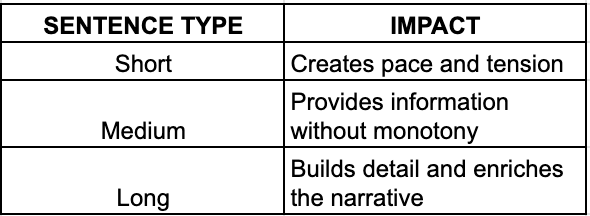
Illustrative Example
Create a blend of sentence lengths to avoid weird and awkward patterns, which can disengage the audience. This approach should be mirrored in scriptwriting for videos, podcasts, and even blogs to ensure dynamic and engaging content delivery.
3: Mastering Tone for Conversational Engagement
Conversational Tone
The tone of the delivery can transform the viewer's experience from merely consuming content to feeling like a participant in a conversation. This style breaks down formal barriers and fosters a personal connection with the audience.
Learning from the Best
Creators like Funny Marco and Bimma Williams deliver very differently but both excel in conversational tone, making viewers feel like they are in a friendly chat rather than a formal presentation. This technique is particularly effective in building loyal communities around content.
Practical Tips
One practical method to achieve a conversational tone is to envision speaking directly to a friend. This mental model helps in naturalizing the script, making it more relatable and engaging. Additionally, placing a picture of a friend near the camera can remind content creators to keep their delivery personal and direct.
4: Strategic Content Direction
Starting with the End
An effective narrative strategy involves knowing the conclusion or the key message of your content right from the start. This backward design not only ensures a focused delivery but also aids in structuring the content more effectively, leading the audience towards a pre-set goal.
Content Looping
In short-form content, where videos often loop, the ending plays a crucial role in re-engaging the viewer from the start. It is essential in making memorable content that encourages repeated views. Watch time matters and is directly tied to repeated views.
5: Differentiating Through Unique Story Lenses
Concept of Story Lenses
A story lens refers to a unique perspective or angle from which a common topic is approached. This distinct viewpoint can set a creator’s content apart, offering fresh insights into familiar subjects.
Applying Unique Lenses
To differentiate content effectively, creators must explore less saturated angles or perspectives in storytelling. This not only garners interest but also establishes the creator’s unique voice in a crowded content landscape.
6: Crafting Effective Hooks
Significance of the Hook
The initial seconds of any content piece are critical; they can either hook the viewer or lose them. An effective hook grabs the attention and succinctly conveys the essence of the video.
Types of Hooks
Visual hooks are crucial as they complement the auditory message, making the first impression much more impactful. Displaying an engaging image or video clip that aligns with the spoken content can significantly enhance viewer retention.
Creating Punchy Hooks
A punchy hook is direct, relevant, and visually appealing. It immediately gives the viewer a reason to stay by hinting at the value or entertainment that follows. A straightforward and descriptive first line can make all the difference.
Final Thoughts
Mastering these storytelling techniques requires practice and mindful implementation. Each element, from the dance of context and conflict to the strategic use of hooks, plays a vital role in crafting content that is not only engaging but also memorable.
By applying the insights and techniques, content creators can enhance their ability to tell compelling stories that resonate with and captivate their audience. The art of storytelling is dynamic, and mastering it is a continual journey of learning and adaptation.